
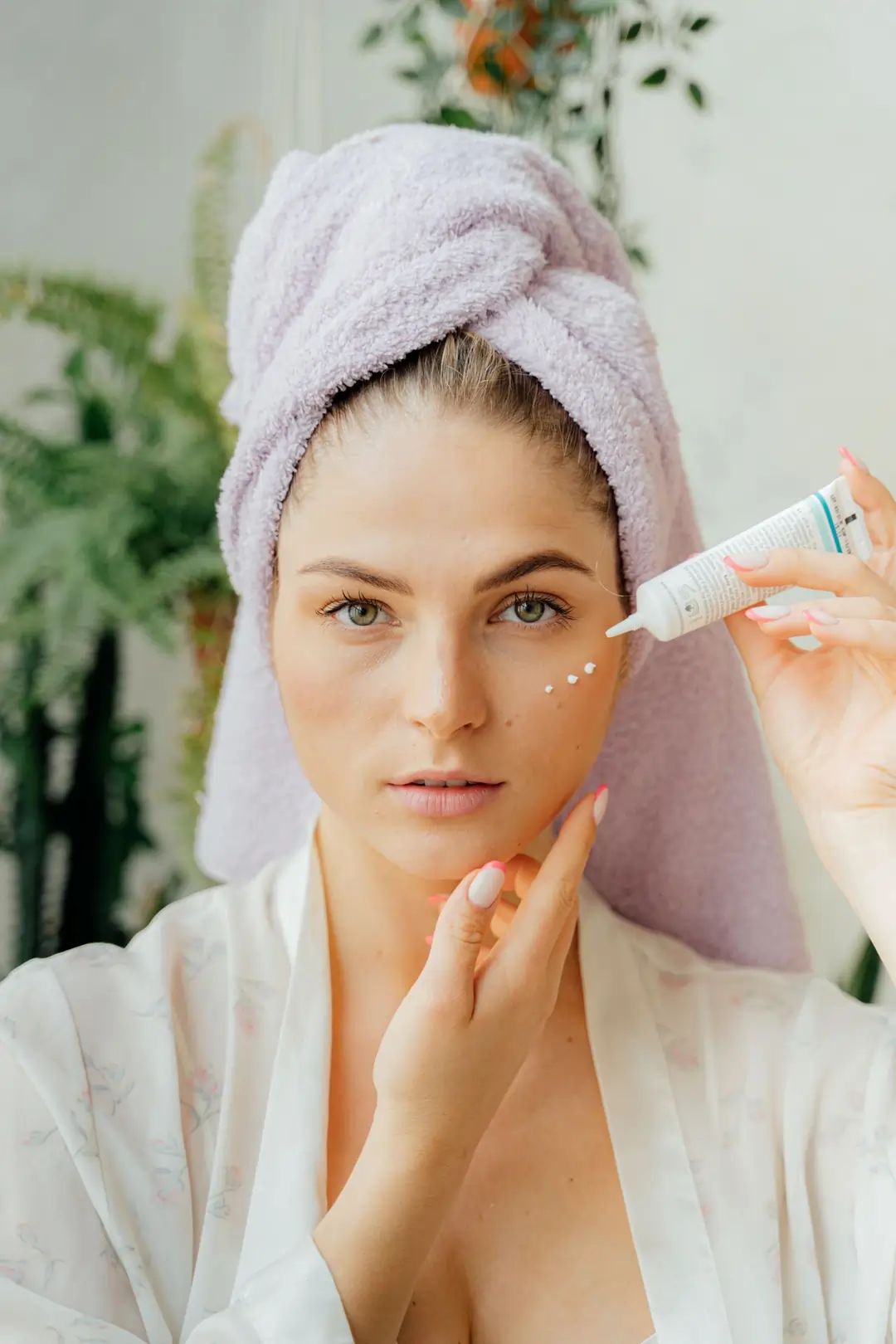
If you have been searching for skin health gloucester support without the wait for a GP appointment, Hucclecote Pharmacy in GL3, Gloucester, offers a private dermatology consultation led by a qualified Pharmacist Prescriber. Skin conditions are among the most common reasons people seek healthcare in the UK — yet access to specialist dermatology advice through the NHS can mean waiting weeks or months. Our skin clinic hucclecote service gives you a clinically rigorous assessment and, where appropriate, a prescription, often within the same week you contact us.
At Hucclecote Pharmacy, our skin health service is led by Ravneet Chahal, a Pharmacist Prescriber with over 13 years of clinical experience supporting patients across Gloucestershire. Patients from Gloucester, Brockworth, Barnwood, Abbeydale, and the wider GL3 area come to us for a dermatology consultation gloucester that is fast, evidence-based, and genuinely personalised. This article explains what we treat, how consultations work, and when to seek more specialist care.
Common skin conditions we treat
The skin is the body's largest organ and one of the most visible indicators of overall health. At Hucclecote Pharmacy's skin health clinic, we assess and treat a broad range of common dermatological conditions.
Acne is one of the most frequent presentations we see. While mild comedonal acne often responds well to over-the-counter treatments, moderate to severe inflammatory acne — with papules, pustules, or cysts — typically requires prescription-strength topical or oral medication. Early, appropriate treatment helps prevent the scarring and pigmentation changes that can follow untreated flares.
Eczema (atopic dermatitis) affects approximately one in five children and one in twelve adults in the UK according to NHS data. The condition is characterised by patches of dry, itchy, and inflamed skin and is often punctuated by flares that require active management. We can help patients identify triggers, optimise their emollient routine, and prescribe topical steroids of the appropriate potency for the affected body area.
Rosacea — a chronic inflammatory condition causing facial redness, visible blood vessels, and sometimes papules — is frequently underdiagnosed and undertreated. Pharmacist prescribers can prescribe topical azelaic acid and topical metronidazole, both of which are first-line NICE-endorsed treatments for rosacea.
Other conditions we routinely assess include contact dermatitis, impetigo, cold sores, fungal skin and nail infections, and pityriasis versicolor. For any presentation that falls outside the scope of pharmacist prescribing — or where there is diagnostic uncertainty — we will refer you promptly to the appropriate clinician.
How a pharmacist-led skin consultation works
A skin health consultation at Hucclecote Pharmacy follows a structured clinical approach. You do not need to bring a GP referral letter; simply book a private skin consultation online or call 01452 616906.
At your appointment, Ravneet will take a detailed history covering how long you have had the condition, any previous treatments you have tried, your skin type, relevant medical history, and any other medicines you are currently taking. This step is essential: certain acne treatments interact with hormonal contraceptives, and some topical steroids are not suitable for use on the face or in skin folds.
A visual assessment of the affected area follows. For most common conditions, a clinical diagnosis can be made through careful observation combined with the history. If there is any uncertainty — or if a lesion requires further investigation — we will refer you to the appropriate service rather than speculate.
Where a prescription is appropriate, it is issued at the end of the appointment. We explain exactly how to use your treatment, what to expect in the first few weeks, and when to return. A written clinical summary can be shared with your GP if you wish. Follow-up consultations can be arranged to monitor your response and adjust the treatment plan.
Everything discussed in your consultation is held in strict confidence under our professional duty of patient confidentiality.
Treatment options: topical, oral, lifestyle
The range of treatments available through a pharmacist prescriber consultation is broader than many patients realise. Under the Pharmacy First framework and as an independent prescriber, Ravneet Chahal can prescribe a wide range of prescription-only medicines for skin conditions.
Topical treatments form the backbone of skin health management for most common conditions. These include:
- Topical retinoids (such as adapalene and tretinoin) for acne — promoting cell turnover and reducing comedone formation
- Topical antibiotics (such as clindamycin) for inflammatory acne, typically combined with benzoyl peroxide to reduce antibiotic resistance
- Topical corticosteroids of varying potencies — from mild hydrocortisone and clobetasone for facial or sensitive-skin use, to moderate or potent preparations such as betamethasone for thicker skin areas — for eczema, contact dermatitis, and other inflammatory conditions
- Topical antifungals for tinea and pityriasis versicolor
- Topical azelaic acid and metronidazole for rosacea
Oral treatments are indicated when topical therapy alone is insufficient or when the extent of the condition warrants systemic treatment. A pharmacist prescriber may prescribe oral antibiotics such as lymecycline or doxycycline for moderate to severe acne or rosacea, following a clinical assessment that weighs the benefits against the risks — including the importance of avoiding prolonged courses where possible to limit antibiotic resistance.
Lifestyle and skincare factors are woven into every consultation. We discuss trigger avoidance, appropriate emollient use, sunscreen selection, and the evidence base for specific skincare ingredients. Patients are often surprised by how much measurable improvement comes from optimising their routine before or alongside prescription treatment.
When to see a pharmacist vs when to see a GP
Not every skin concern requires the same level of care. The table below is a general guide to help you decide the appropriate first step. When in doubt, contact us — we will always direct you to the right level of care.
| Condition | Try pharmacist first | See GP if | Red-flag signs (urgent referral) |
|---|---|---|---|
| Acne (mild to moderate) | Yes — topical and oral prescribing available | Severe cystic acne, or considering isotretinoin (Roaccutane) | N/A |
| Eczema flare | Yes — emollient optimisation and topical steroid prescribing | Infected eczema unresponsive to treatment, or requiring wet-wrap therapy | Eczema herpeticum (widespread viral infection of eczematous skin) — seek same-day GP or A&E |
| Contact dermatitis | Yes — identify trigger, prescribe topical steroid | Widespread or systemic reaction | Anaphylaxis (throat swelling, difficulty breathing) — call 999 |
| Fungal infection (tinea / athlete's foot) | Yes — antifungal prescribing available | Nail involvement unresponsive to topical treatment, or systemic symptoms | N/A |
| Suspected rosacea | Yes — azelaic acid, metronidazole prescribing | Eye involvement (ocular rosacea), phymatous changes (skin thickening) | Ocular rosacea with visual changes — urgent ophthalmology referral |
| Persistent or changing mole | No — refer directly | GP assessment required; urgent two-week-wait dermatology if ABCDE criteria met | Any mole that is asymmetrical, has irregular borders, contains multiple colours, exceeds 6 mm, or is evolving — urgent GP referral |
| Suspected skin cancer signs | No — refer directly | GP urgent two-week-wait referral needed | Non-healing sore, pearly nodule, flat scaly patch that bleeds — do not delay |
| Severe psoriasis flare | Mild topical management only | Moderate to severe psoriasis requires GP or dermatology oversight | Erythrodermic or pustular psoriasis — A&E immediately |
| Infected or spreading rash with fever | No — refer directly | GP same day; A&E if deteriorating rapidly | Fever + spreading rash, especially with blistering or skin detachment — A&E immediately |
This table is a guide, not a substitute for clinical assessment. If you are unsure whether a skin change is concerning, call us on 01452 616906 and we will advise you.
Skincare advice for Gloucestershire weather
Living in Gloucestershire means navigating a climate that can be challenging for the skin. The county's characteristic damp air, cool wet winters, and variable spring and autumn temperatures create specific triggers for common skin conditions — particularly eczema and rosacea.
For patients with eczema, the combination of central heating indoors and cold, damp air outdoors creates a daily cycle of humidity extremes that disrupts the skin barrier. Transepidermal water loss increases significantly when moving between heated indoor environments and cold outdoor air. This is a key reason why Gloucestershire patients often notice their eczema flares worsening between October and March. The practical response is to apply emollient generously before going outdoors, choose fragrance-free products year-round, and use a bedroom humidifier during winter months if central heating is unavoidable.
Rosacea is sensitive to temperature changes — the flushing response that characterises the condition is triggered by rapid shifts between hot and cold environments, hot drinks, and UV exposure. Spring and early summer in Gloucestershire, when temperatures swing unpredictably, is a common time for rosacea patients in the Brockworth, Barnwood, and wider GL3 area to experience flares. Daily broad-spectrum SPF 30 or higher is the single most evidence-backed lifestyle intervention for managing rosacea alongside prescription treatment.
For acne patients, the damp Gloucestershire climate is less directly relevant than individual skincare choices. Comedogenic (pore-blocking) moisturisers and heavy foundations are frequent contributors to acne alongside genetic predisposition. Switching to non-comedogenic, fragrance-free products often produces visible improvement within four to six weeks, particularly when combined with appropriate prescription treatment.
Our pharmacist will discuss your specific environmental triggers at your dermatology consultation and tailor advice accordingly. For a season-by-season look at the most common complaints — and how to treat them as the weather changes — see our guide to spring skin care. All pharmacy services at Hucclecote are available without a GP referral.
Booking a private skin consultation
Accessing expert skin health advice at Hucclecote Pharmacy is straightforward. You do not need a GP referral, and same-week appointments are often available for patients in Gloucester, Brockworth, Abbeydale, and the surrounding GL3 area.
When you book your skin consultation, a brief intake form helps us understand your concern before you arrive. This allows Ravneet to prepare for your appointment and ensures the time is used efficiently. If you have photographs of a skin change taken at different points in time — a useful record for any condition that is evolving — bring these or share them via the booking form.
What to bring:
- A list of all current medications, including over-the-counter products and supplements
- Any skincare products you currently use (or their names)
- Your GP details, in case a shared care summary is appropriate
- Any previous prescriptions or treatment records for the same condition, if available
Appointments are held in a private consultation room at Hucclecote Pharmacy. If a prescription is issued, we can often dispense it at the same visit, meaning you leave with your treatment ready to start. Follow-up appointments to review progress are available, typically four to six weeks after starting a new prescription.
For urgent concerns — particularly any skin change you suspect may be serious — do not wait for a routine appointment. Call us on 01452 616906 and we will advise you on the appropriate next step, which may include directing you to your GP's urgent access service or A&E.
Access our full range of skin health and other pharmacy services at Hucclecote Pharmacy.
Frequently Asked Questions
Which skin conditions can a pharmacist treat?
A pharmacist prescriber can assess and treat many common skin conditions independently, including acne (mild to moderate), eczema and contact dermatitis, rosacea, fungal infections such as tinea corporis and athlete's foot, impetigo, and cold sores. More complex or potentially serious presentations — such as a changing mole, suspected psoriasis requiring systemic treatment, or a non-healing ulcer — will be referred appropriately to a GP or dermatologist.
Do I need a GP referral?
No. Our skin health clinic at Hucclecote Pharmacy operates as a private service and does not require a GP referral. You can book directly online or by telephone. If your consultation reveals a condition that needs GP or secondary care involvement — for example, a lesion requiring biopsy — we will write to your GP on your behalf with a clear clinical summary to support an onward referral.
How much does a skin consultation cost?
Contact us for current pricing. Consultation fees cover your clinical assessment and, where appropriate, a prescription for treatment. We will always give you a clear breakdown of costs before your appointment so there are no surprises. Some treatments may be available at lower cost through NHS routes if you are eligible; we will advise you at consultation.
Can you prescribe medication for acne?
Yes. As a Pharmacist Prescriber, Ravneet Chahal can independently prescribe prescription-only medicines for acne where clinically appropriate. Depending on your assessment, this may include topical antibiotics, topical retinoids, azelaic acid, or oral antibiotics such as lymecycline or doxycycline. The right treatment depends on the severity and type of your acne, your skin type, and any other medicines you take. Treatment is tailored to you, not a standard protocol.
How long is a typical appointment?
A skin health consultation at Hucclecote Pharmacy typically lasts 20 to 30 minutes. This allows time for a thorough history, visual assessment of the affected area, discussion of treatment options, and — where a prescription is appropriate — issuing that prescription and explaining how to use your treatment. Follow-up appointments, which are shorter, can be arranged to review your progress and adjust the plan if needed.
When should I see a dermatologist instead?
You should seek urgent GP or dermatologist review if you notice a mole or lesion that is asymmetrical, has an irregular border, contains more than one colour, is larger than 6 mm, or is evolving in size or shape (the ABCDE rule). Other red-flag signs include a non-healing sore or ulcer lasting more than three to four weeks, a sudden-onset spreading rash accompanied by fever, or any skin change you find difficult to explain. If in doubt, contact us and we will advise you on the appropriate next step.
About the Author
This article was written by Ravneet Chahal, Pharmacist Prescriber and Superintendent Pharmacist at Hucclecote Pharmacy, Gloucester. Ravneet is registered with the General Pharmaceutical Council (GPhC registration number 2079107) and has 13+ years of experience supporting patients across Gloucestershire with NHS and private pharmacy services.
All content is reviewed for accuracy against NHS, NICE, and MHRA guidance.
Book at Hucclecote Pharmacy
Ready to take the next step? Our team in Hucclecote, Gloucester is here to help.
- Learn more about our private skin health clinic
- Book online at hucclecotepharmacy.co.uk/booking
- Call us on 01452 616906
- Visit Hucclecote Pharmacy, Gloucester GL3
Same-week appointments often available. No GP referral needed for private services.
About Ravneet Chahal
Ravneet Chahal is a highly qualified Pharmacist Prescriber at Hucclecote Pharmacy with extensive professional credentials and expertise in clinical pharmacy practice.
Qualifications: MPharm, PGDip, PGCert IP, MCMA
With her specialized knowledge and prescribing authority, Ravneet is committed to providing evidence-based health information and personalized pharmaceutical care. She supports our patients in making informed decisions about their health and wellness.
Need Professional Advice?
Our experienced pharmacists at Hucclecote Pharmacy are here to help. Get personalized advice for your health concerns.
Related Articles
Discover more insights from our expert team