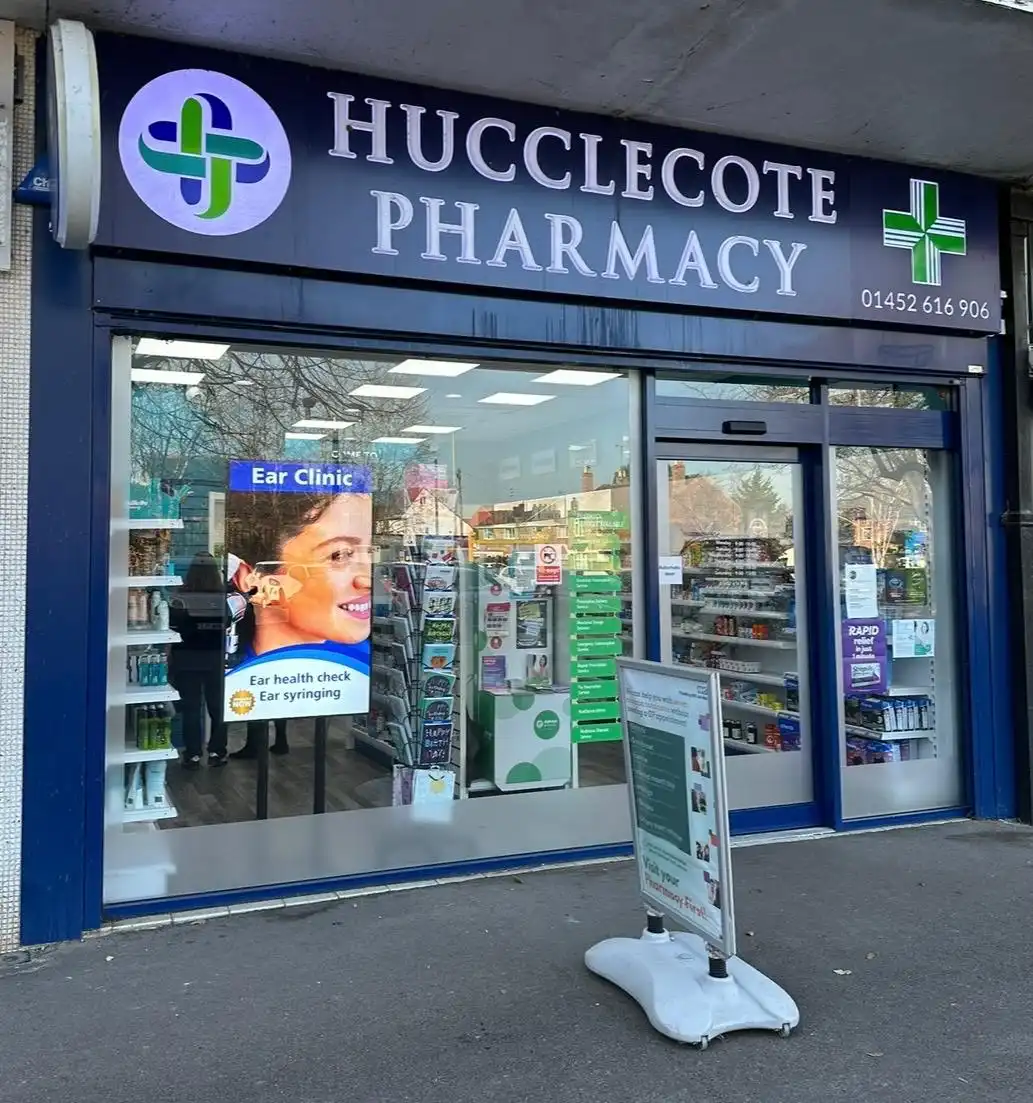

If you are planning a trip abroad and searching for a travel clinic gloucester, Hucclecote Pharmacy in GL3, Gloucester, offers a comprehensive private travel health service to prepare you for safe travel anywhere in the world. Travel health is a specialised area of clinical practice: the vaccines you need, the malaria prevention approach that suits you, and the prescription medicines that belong in your kit all depend on your specific destination, itinerary, and personal health history. Getting that advice from a qualified pharmacist prescriber — rather than relying on general information online — is the most reliable way to travel protected.
At Hucclecote Pharmacy, our travel health hucclecote service is led by Ravneet Chahal, a Pharmacist Prescriber with over 13 years of experience supporting patients across Gloucestershire. Patients from Gloucester, Brockworth, Abbeydale, and the surrounding GL3 area use our private travel clinic because they want personalised, clinically informed guidance before they depart. This article covers our travel vaccinations gloucester service and how to prepare, step by step.
How a pre-travel health consultation works
A pre-travel health consultation at Hucclecote Pharmacy is a structured clinical assessment — not a quick chat — designed to identify every health risk associated with your specific journey and to produce a personalised plan that addresses those risks proportionately.
At your consultation, we will ask about your destinations, full itinerary, duration and purpose of travel, previous vaccines, current medical conditions, regular medications, and any relevant allergies or contraindications to particular vaccines or medicines.
We cross-reference your itinerary against current Public Health England and NHS Fit for Travel guidance to identify which vaccines are recommended or required, assess your malaria risk by destination zone and season, and establish whether any prescription medicines — antimalarials, standby antibiotics, or altitude sickness prevention — are appropriate for your trip.
By the end of the appointment, you will have a written vaccine summary, a prescription for any medicines required, and clear guidance on timing and side effects. Appointments are held in our private consultation room in Hucclecote, Gloucester, with no GP referral needed. You can book through our travel clinic page or call us on 01452 812963.
Common travel vaccinations: destination guide
Travel vaccines are not a single list that applies to all travellers. The table below sets out commonly recommended vaccines by destination region as a general guide; your specific requirements depend on your individual itinerary and health status. Always confirm your needs at a personal consultation.
| Destination region | Commonly recommended vaccines | Yellow fever certificate required? | Malaria risk? |
|---|---|---|---|
| Sub-Saharan Africa | Hepatitis A, typhoid, yellow fever, hepatitis B, rabies (for remote travel), meningitis ACWY | Required for many countries; check by country | High in most areas — prophylaxis essential |
| South & Southeast Asia (India, Thailand, Vietnam, Indonesia) | Hepatitis A, typhoid, hepatitis B, Japanese encephalitis (rural/prolonged stays), rabies (for remote/animal exposure risk) | Not generally required for entry, but check transit countries | Moderate to high depending on region and season |
| South America (Amazon / Andes) | Hepatitis A, typhoid, yellow fever (Amazon basin), hepatitis B, rabies (for remote areas) | Required by certain countries for entry; required by others if arriving from endemic countries | Present in Amazon lowlands — risk varies by altitude and area |
| Middle East (Hajj / Umrah) | Meningitis ACWY (mandatory for Saudi visa), hepatitis A, typhoid, polio booster (if applicable) | Not required for Saudi Arabia | Low to negligible in most areas |
| East Africa safari | Hepatitis A, typhoid, yellow fever, hepatitis B, rabies (guide/outdoor workers or children), cholera (if humanitarian or high-risk work) | Required for Kenya, Uganda, Tanzania in certain scenarios | High throughout most of the region — prophylaxis essential |
| Central America / Caribbean | Hepatitis A, typhoid, hepatitis B, rabies (prolonged or rural travel) | Required by some countries if arriving from endemic areas | Present in rural Central America; Caribbean risk varies by island |
Routine UK vaccines — including MMR (measles, mumps, rubella), polio booster, and tetanus — should also be up to date before travelling to any destination. Our vaccination wellness clinic can check and update your routine vaccination record at the same appointment.
All advice in this table reflects general NHS and Public Health England guidance as of publication. Recommendations change. Your pharmacist will check current guidance for your specific itinerary at your consultation.
Malaria prevention: tablets, advice, when to start
Malaria is a serious, potentially life-threatening disease transmitted by Anopheles mosquitoes in tropical and subtropical regions. No antimalarial medicine is 100% effective, which is why the standard approach combines tablets with bite prevention — long sleeves and trousers at dusk, DEET-containing repellents, and insecticide-treated bed nets in high-risk areas.
As a Pharmacist Prescriber, Ravneet Chahal can assess your malaria risk and prescribe antimalarial medication through the travel clinic at Hucclecote Pharmacy. The three most commonly prescribed options in the UK are:
- Atovaquone-proguanil (Malarone): Started one to two days before entering a malaria zone and continued for seven days after leaving. Well tolerated by most patients; generally first-line for East Africa and most popular destinations. Must be taken with food.
- Doxycycline: Started two days before travel and continued for four weeks after leaving. Can cause sun sensitivity and gastrointestinal effects. Not suitable for children under 12 or during pregnancy.
- Mefloquine (Lariam): Started two to three weeks before travel. Not suitable for everyone — a detailed neurological and psychiatric history is taken before prescribing.
The right choice depends on your destination, the length of your trip, other medications you take, and your personal health history. No antimalarial should be self-selected without clinical assessment. Resistance patterns also vary by region — chloroquine resistance is widespread across Sub-Saharan Africa, making it unsuitable for most destinations. Contact us early: mefloquine in particular needs to be started several weeks before departure.
Travel kits and prescription medicines for abroad
Travelling well-prepared means more than vaccines and antimalarials. Depending on your destination and health circumstances, your consultation at Hucclecote Pharmacy may include discussing prescription medicines and kit items for your travel bag.
Standby antibiotics — such as azithromycin or ciprofloxacin — can be prescribed for self-treatment of traveller's diarrhoea when medical care is inaccessible. They are not for routine use; clear instructions on when and how to take them form part of your consultation.
Altitude sickness prevention using acetazolamide (Diamox) is relevant for high-altitude destinations above 2,500 metres — including trekking routes in Nepal, Peru, or East Africa. Acetazolamide is a prescription medicine; suitability depends on your health history.
Standard kit-bag items for tropical destinations include oral rehydration salts, antihistamines, a digital thermometer, water purification tablets, high-SPF sunscreen, and DEET 50% insect repellent.
If you take regular prescription medicines, discuss with us how to manage supply for the duration of your trip — some medicines have legal restrictions in certain countries, and a covering letter may be useful. A medication review can be arranged alongside your travel consultation.
All pharmacy services at Hucclecote are available without a GP referral.
Timing: how early to book before your trip
The most common mistake travellers make is booking their travel health consultation too late. Some vaccines require multiple doses spread over several weeks, and leaving insufficient time means either rushing the schedule or travelling without full protection.
The general rule endorsed by NHS Fit for Travel is to book your travel health consultation six to eight weeks before your departure date. This allows time for the following:
- Rabies pre-exposure prophylaxis: Three doses required over 21 to 28 days. Essential for travellers to remote areas, those with significant animal contact, or children in endemic regions.
- Yellow fever vaccination: The international certificate only becomes valid ten days after administration. If you need a yellow fever certificate for entry, you must be vaccinated at least ten days before travel.
- Hepatitis B full course: The standard schedule runs over six months, though an accelerated schedule (0, 7, 21 days plus a 12-month booster) is available for last-minute travellers.
- Japanese encephalitis: Two doses given 28 days apart; a two-week minimum gap before travel applies.
If you have shorter notice, do not assume it is too late. A single dose of hepatitis A provides good protection within two weeks, and some vaccines can be given days before departure and still provide meaningful benefit. Book online or call 01452 812963 to confirm what is achievable within your timeline.
Travel insurance and yellow fever certificates
Two administrative details that travellers frequently overlook until the last moment are yellow fever certification and travel insurance — both of which can affect your ability to enter certain countries or access care abroad.
Yellow fever certificates are an official International Certificate of Vaccination or Prophylaxis (ICVP), commonly called a yellow card. Many Sub-Saharan African countries, and several South American nations, require proof of yellow fever vaccination for entry — not just a note from a pharmacist, but the official certificate issued at an approved centre. Saudi Arabia requires proof of meningitis ACWY vaccination for Hajj and Umrah visa applicants. Requirements change, and travellers who arrive without the necessary documentation can be refused entry or vaccinated at the border under conditions that may not meet UK standards. Contact us to ask whether yellow fever certification is available for your trip and to confirm the most up-to-date entry requirements for your specific destination.
Travel insurance is strongly recommended for all international travel and is a particular consideration for travellers with pre-existing medical conditions. If you take regular prescription medicines or have a chronic health condition, you are required to declare this when purchasing travel insurance; failing to do so can invalidate your policy. A letter summarising your travel health preparation — vaccines received, medicines prescribed, and general health status — can be provided by our pharmacist at your consultation to support any insurance documentation you need.
Both the yellow fever certificate process and insurance preparation benefit from early planning. If you leave either until the week of departure, you risk disruption that is straightforward to avoid with adequate lead time. Our travel clinic team can advise on both topics as part of your pre-travel health consultation.
Frequently Asked Questions
How early before travel should I book?
Ideally, book your travel health consultation at least six to eight weeks before your departure date. This allows enough time to complete multi-dose vaccine courses — rabies pre-exposure prophylaxis, for example, requires three doses over 21 to 28 days — and for vaccines such as yellow fever to reach full protective effect, which requires ten days after administration. If you are travelling sooner, contact us as soon as possible; some vaccines can be given closer to departure and still provide meaningful protection.
Which vaccines do I need for common holiday destinations?
Vaccine requirements depend on your specific destination, itinerary, and personal health history. For Sub-Saharan Africa, hepatitis A, typhoid, yellow fever, and malaria prevention are commonly required. South and Southeast Asia typically calls for hepatitis A, typhoid, and possibly Japanese encephalitis or rabies. South America may require yellow fever in certain countries. For detailed destination-specific advice, book a travel health consultation at Hucclecote Pharmacy where we can give you a personalised recommendation.
How much do travel vaccinations cost?
Travel vaccination costs vary depending on which vaccines are required, how many doses are needed, and whether antimalarial tablets are prescribed. Most travel vaccines are not available on the NHS and are provided on a private basis. Contact us for current pricing or visit our booking page to arrange a consultation — we will give you a clear breakdown of expected costs before your appointment so there are no surprises.
Do you offer the yellow fever vaccine?
Yellow fever vaccination requires administration at an officially designated yellow fever vaccination centre. Please contact us to ask whether yellow fever certification is available for your trip, and we will confirm current availability and advise on the ten-day certificate validity window that many countries require for entry. For countries that mandate yellow fever proof of vaccination, this is one of the most important steps to arrange early.
Can you prescribe malaria tablets?
Yes. As a Pharmacist Prescriber, Ravneet Chahal can prescribe antimalarial medication — including atovaquone-proguanil (Malarone), doxycycline, and mefloquine — following a clinical assessment of your destination, itinerary, health history, and any other medications you take. Malaria prevention is never one-size-fits-all; the right tablet depends on where you are going, how long you are staying, and your individual circumstances. We always recommend starting tablets at the correct time before departure.
What's included in a travel health consultation?
A travel health consultation at Hucclecote Pharmacy covers your full itinerary, destination-specific vaccine requirements, malaria risk assessment, antimalarial prescribing where appropriate, advice on travel kits and prescription medicines for abroad, yellow fever certification guidance, and any documentation you need for entry requirements. We also discuss practical travel health topics including food and water safety, sun protection, insect bite prevention, and when to seek medical help whilst abroad.
About the Author
This article was written by Ravneet Chahal, Pharmacist Prescriber and Superintendent Pharmacist at Hucclecote Pharmacy, Gloucester. Ravneet is registered with the General Pharmaceutical Council (GPhC registration number 2079107) and has 13+ years of experience supporting patients across Gloucestershire with NHS and private pharmacy services.
All content is reviewed for accuracy against NHS, NICE, and MHRA guidance.
Book at Hucclecote Pharmacy
Ready to take the next step? Our team in Hucclecote, Gloucester is here to help.
- Learn more about our private travel clinic
- Book online at hucclecotepharmacy.co.uk/booking
- Call us on 01452 812963
- Visit Hucclecote Pharmacy, Gloucester GL3
Same-week appointments often available. No GP referral needed for private services.
About Ravneet Chahal
Ravneet Chahal is a highly qualified Pharmacist Prescriber at Hucclecote Pharmacy with extensive professional credentials and expertise in clinical pharmacy practice.
Qualifications: MPharm, PGDip, PGCert IP, MCMA
With her specialized knowledge and prescribing authority, Ravneet is committed to providing evidence-based health information and personalized pharmaceutical care. She supports our patients in making informed decisions about their health and wellness.
Need Professional Advice?
Our experienced pharmacists at Hucclecote Pharmacy are here to help. Get personalized advice for your health concerns.
Related Articles
Discover more insights from our expert team